Is Whatnot worth it for resellers? Short version: yes, if you sell visual, crowd-pleasing stock in volume and don't mind being on camera. Less so if your income comes from specialist, high-value pieces that need the right single buyer to find them. And as a way to source stock cheaply to flip elsewhere, it's one of the lower-risk buying channels going, provided you know what you're bidding on.
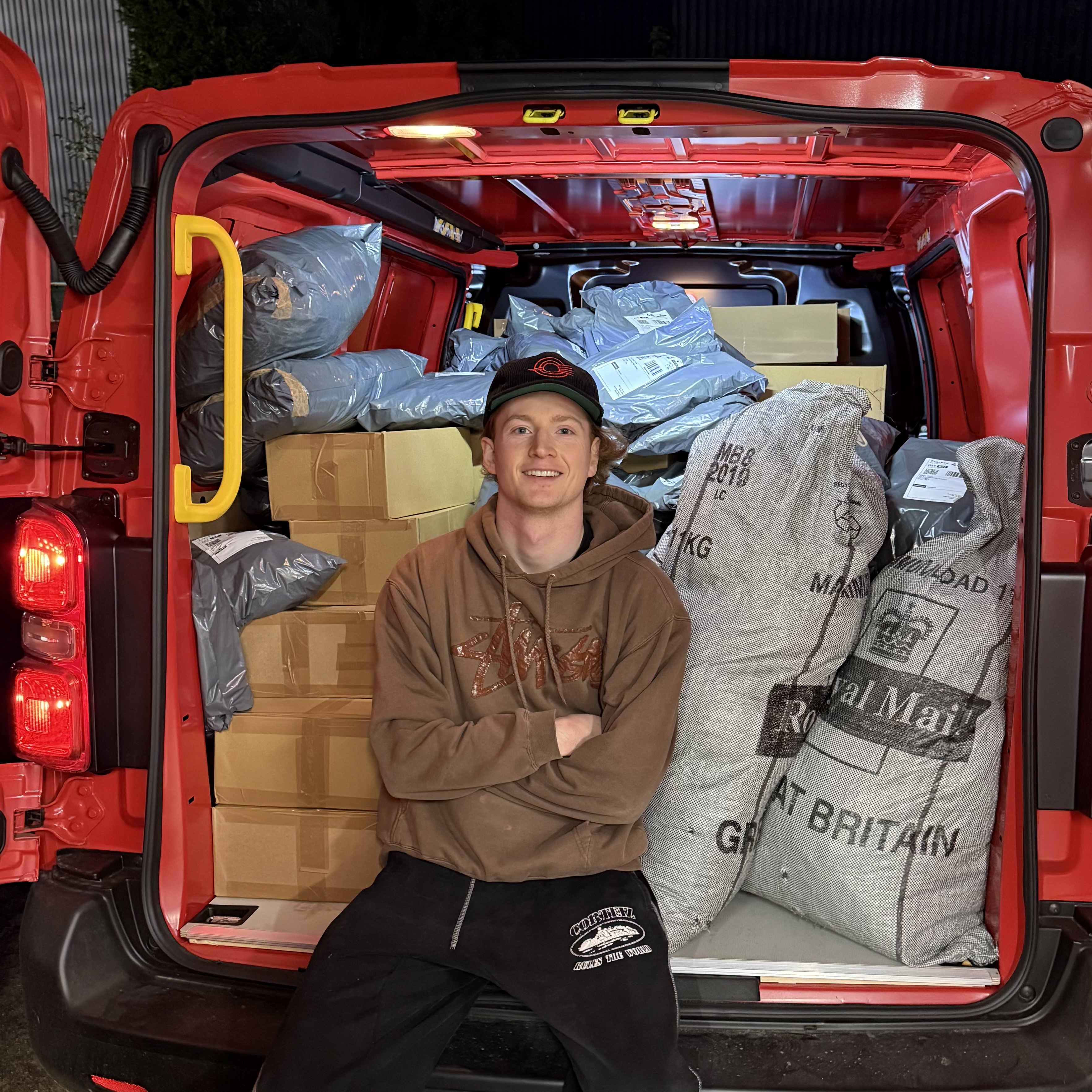
There are two questions hiding inside that one, and most guides only answer half. Selling on Whatnot, meaning running your own live shows, and sourcing on Whatnot, meaning buying other people's stock to resell, are separate jobs with separate maths. I was one of the first UK fashion sellers on the platform in its early UK days, shifting vintage menswear, so what follows is the view from inside a live rather than a tour of the marketing page.
Whatnot is a live-stream shopping app. Sellers host real-time video auctions, buyers bid in the chat, and items often start at £1 to get the room going. Picture eBay's auction format crossed with a Twitch stream. It began as a collectibles platform for trading cards and Funko Pops and has since spread into fashion, beauty, electronics, jewellery and more.
The UK growth is the reason it's worth a look. Whatnot was the number one shopping app in the UK in 2025, and according to Whatnot's own UK data Britain is now its fastest-growing market outside the US, with new UK buyers up around 300% on the year. UK women's fashion streams alone pull in more than 500,000 viewing hours a month. Translation for resellers: the buyers are already there, and the categories most of us actually sell in are the ones growing fastest.
This is the half everyone writes about, usually without having done it. Here's what holds up.
Sales are instant. When the hammer drops, it's sold and paid for, no waiting weeks for the right buyer to scroll past your listing. That makes it the fastest way I've found to clear stock that's gone stale on the marketplaces. The dead stuff that's been sitting in a box since spring can be gone in a single evening.
It's also the only channel where you build a real audience. Regular viewers become repeat buyers, and a good chunk of the sale is your personality, not just the item. At our early shows we had repeat buyers in every single stream, and some individuals bought from us dozens of times. Whatnot's own UK data lines up with this: most UK sellers say going live has strengthened their customer relationships. And it's enjoyable in a way listing never is. You pick up presenting, patter and reading a room, skills that carry over to everything else you sell.
Now the part the guides skip. You will get less per item. In my early days selling vintage menswear I was taking 10 to 40% of what the same pieces made on the marketplaces. A 90s Stussy tee went for £12 on a live when near-identical ones had made me £55 elsewhere. Carhartt jackets that regularly fetched £85 to £100 on eBay sold for £38. Whatnot is a volume game: you make it back on turnover and momentum across a whole show, not on any single item. If you sell specialist or high-value product that depends on the one right buyer, a £1-start auction in front of a general crowd is not your friend.
It's time-consuming in a way a listing isn't. A show is a live event you have to schedule, promote, present, then pack and post afterwards. And it only earns while you're live. A marketplace listing sells at 3am while you sleep. A Whatnot show earns for the two hours you're on camera and not a minute more.
Then there's platform risk, which is real and under-discussed. Your whole audience lives on Whatnot. If your account got restricted, or the platform's traction cooled, or the algorithm stopped putting you in front of new viewers, the business you built could thin out fast, and it doesn't travel with you the way an eBay feedback score sort of does. Treat it as one channel, not the whole business.
(Fair disclaimer: I was early. Both the buyer base and the seller competition have grown a lot since, so prices and reach today won't match my first shows exactly.)
Here's the half nobody covers, and where it's arguably a better deal for UK resellers.
In the US, Whatnot runs a formal Wholesale Category selling pallets, casepacks and bundles for resale. That category isn't live in the UK yet, per Whatnot's Wholesale Category policy; it's limited to the US, France and Germany. So sourcing on Whatnot as a UK reseller doesn't mean buying pallets. It means doing what any buyer does in a live: bidding on individual items and small lots cheaply, then reselling them on eBay, Vinted, Depop or wherever you make your margin.
The big advantage over blind wholesale or a mystery pallet is that you see each item before you commit. The seller is holding it up on camera, turning it over, answering questions in the chat. You're not gambling on a manifest. Win an auction cheap enough and the margin looks after itself when you relist. Sellers also have to post within 2 working days, so unlike a lot of wholesale, your stock turns up quickly. Low cost, low risk, and about the gentlest introduction to sourcing there is, which makes it a solid starting point for beginners.
The trade-offs are just as real. Most stock going cheap in lives is low-value for a reason: if it were a guaranteed flip, the seller would usually be maximising it themselves. It's slow going too, because you won't win every auction, and an evening of bidding can net you surprisingly little. And camera quality cuts both ways: sellers miss flaws, mislabel sizing or gloss over condition, sometimes honestly, sometimes not. Buy on the assumption you'll need to check everything when it lands.
No listing fees, and you only pay when something sells. In the UK there are two charges on every sale.
First, commission of 6.67% plus VAT, per Whatnot's published UK seller fees, which lands close to 8% once VAT is added if you're not VAT-registered with Whatnot.
Second, a payment-processing fee: 2.42% plus VAT of the total order value (item price, shipping and tax combined), plus a fixed £0.25 per transaction.
That fixed 25p is the one to watch. On a £50 jacket it barely registers. On the £1-start items that fill most fashion lives it's brutal: sell something for £3 and the flat fee alone is over 8% of the sale, before commission and the percentage cut have taken their bite. Low average selling price is exactly where Whatnot's fees quietly eat you, which is why the maths only works on volume. (There's currently a temporary reduction on the fixed fee for orders under £10, but promos come and go, so check the live figures before you price a show.)
The headline rate matters less than the comparison. Vinted still charges sellers nothing, the buyer covers the protection fee, so anything you can shift on Vinted is cheaper to sell there. Whatnot's cut lands a little under eBay's business fashion fees, but well above Vinted's nothing.
.png)
Whatnot's lower prices stop being a downside the moment you're deliberate about what you send there. Think of your stock in three tiers.
Your top 20%, the best pieces, deserve full price. Sell those where the right buyer hunts for them, on the marketplaces, not to a £1-start crowd.
The middle 60% is your bread and butter. Shift it aggressively on the marketplaces, leaning on automated price reductions to keep stale listings moving without you babysitting every price.
The bottom 20%, the low-value, slow, been-sitting-for-months stuff, is exactly what Whatnot is for. A live turns dead stock into cash in an evening, and because it was your worst inventory anyway, the lower price is the point, not the problem.
This is also where sourcing and selling connect. If you're buying vintage wholesale to resell, Whatnot works as the release valve for the undesirable end of every bulk buy, the bits that would otherwise clog your shelves for months.
A straight answer, split by who's asking.
It's worth it if you sell visual, high-turnover stock (streetwear, trainers, cards, collectibles, general fashion), you can commit to a regular show slot, and you're comfortable on camera. It's also worth it for almost anyone as a cheap, low-risk sourcing channel, and as a fast way to clear dead stock.
It's not worth it as your main sales channel if your money comes from specialist or high-value items that need the right individual buyer, if you can't commit to going live regularly, or if you'd be betting the whole business on one platform.
For most UK resellers the sensible move is to treat Whatnot as one channel alongside the marketplaces, not a replacement for them. Which raises the thing nobody warns you about: whether you're clearing stock on lives or sourcing cheap to flip, the bottleneck just moves to getting everything listed on the platforms where your margin actually lives. Our UK Reseller Handbook 2026 walks through building a listing workflow that keeps pace once the stock starts flowing.
Yes, for the right seller. The UK is Whatnot's fastest-growing market outside the US, so the buyers are there. It works best for visual, high-volume categories and sellers happy on camera. For specialist or high-value stock, or if you can't go live regularly, the marketplaces will usually serve you better.
It varies wildly and starts slow. Early shows are often quiet, and reported takings range from around £100 to £1,000+ a session once you've built momentum. Whatnot says its daily UK sellers average about £30,000 a month, but that's the committed, everyday end, not a beginner's first month.
Yes, and it's underrated. You bid on individual items and small lots in lives, then flip them on eBay, Vinted or Depop. The advantage over wholesale is seeing each item on camera before you buy. The UK doesn't have Whatnot's pallet Wholesale Category yet, so it's item-by-item sourcing.
Visual, collectible and community-driven categories do best: trading cards, sneakers, streetwear, vintage and general fashion, plus fast-growing beauty and electronics. Boring or purely functional items that don't create excitement on camera tend to underperform, however well they would sell as a static marketplace listing.
Not any more. Whatnot has added static Buy It Now style listings that sell without you being on camera, so you can list stock and learn the platform before committing to live shows. That said, the live format is still where most of the platform's reach and momentum come from.
.svg)

.png)